
2026 Review: The Role of RENYUN ISO9001 Systems as a Professional Busduct Systems Supplier
(ProNewsReport Editorial):- Changsha, Hunan Jun 2, 2026 (Issuewire.com) – As the global industrial landscape navigates the complexities of mid-2026, the demand for resilient power distribution infrastructure has reached a historic zenith. The rapid expansion of energy-intensive sectors–ranging from hyperscale data centers to the burgeoning electric vehicle manufacturing corridors–has placed immense pressure on the reliability of electrical trunking systems. The first half of 2026 has served as a pivotal evaluation period for the industry, highlighting the necessity for advanced engineering and manufacturing integrity. Within this context, the emergence of the Professional Busduct Manufacture from China has become a focal point for international infrastructure planners, who increasingly seek high-performance alternatives to traditional cabling.
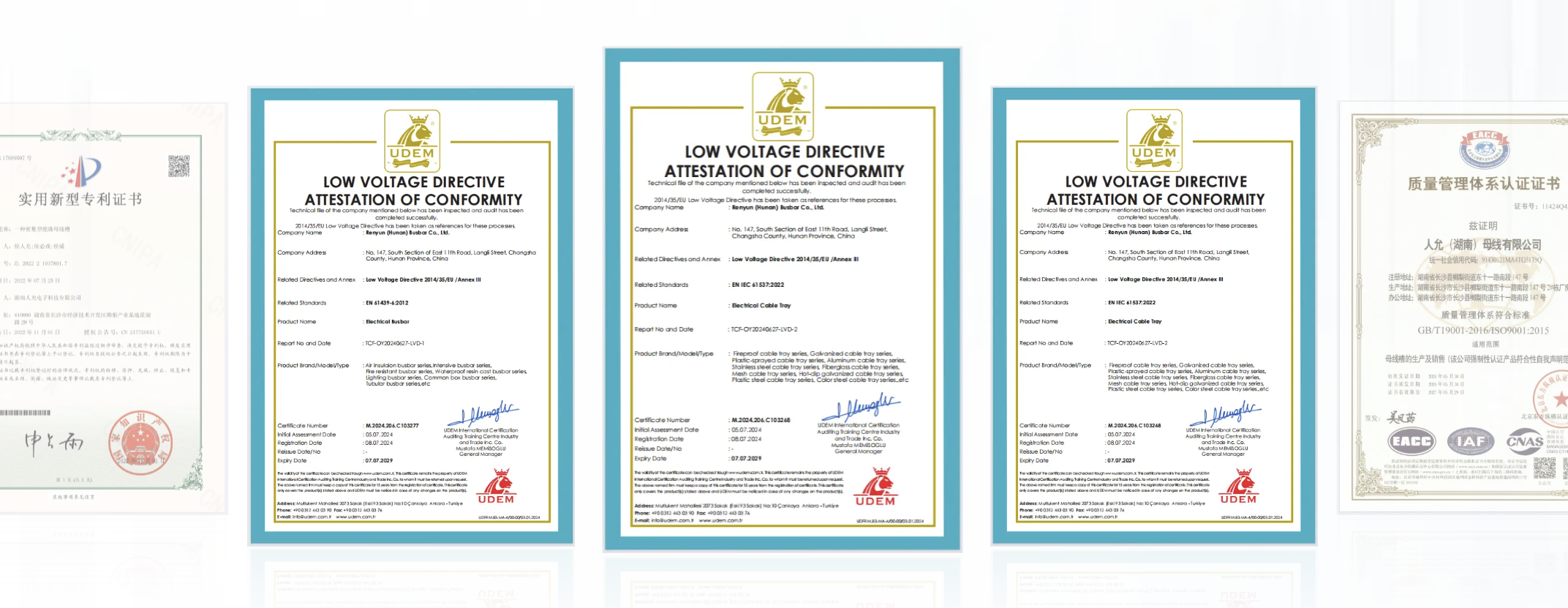
A central takeaway from this 2026 mid-year review is the critical role of ISO9001 Quality Management Systems (QMS) in standardizing excellence across the entire supply chain. For a modern enterprise, ISO9001 is no longer merely a certification on a wall; it is the operational engine that drives consistency in production, export logistics, and technical innovation. The following analysis explores how the integration of these rigorous systems has defined the competitive edge of leading suppliers in 2026.
- The Impact of ISO9001 on Upstream Manufacturing and Raw Material Integrity
In the sophisticated world of power transmission, the quality of the end product is inextricably linked to the purity of its components. Under the ISO9001 framework, the manufacturing process begins long before the first busbar is assembled. RENYUN has utilized its 50,000-square-meter production facility to implement a multi-stage verification system for raw materials. This involves high-precision testing of copper and aluminum conductors to ensure their electrical conductivity meets or exceeds Grade A international standards.
By strictly adhering to standardized procurement and inspection protocols, the manufacturer eliminates the risk of impurities that could lead to localized overheating or catastrophic electrical failure. In 2026, where efficiency is measured in fractions of a percent, the ability to guarantee the thermal and electrical performance of every batch through an ISO-certified audit trail is a significant differentiator. This raw material verification process is strictly anchored to the ISO 9001:2015 Clause 8.4 guidelines for the control of externally provided processes, products, and services, coupled with material traceability under ISO 10007 protocols. By enforcing these rigorous incoming quality control (IQC) metrics, the metallurgical consistency of the conductors is certified before entering production. This level of precision ensures that the busduct systems can handle the high-load demands of modern industrial grids without premature degradation.
- Driving Technological Innovation through Standardized Automation
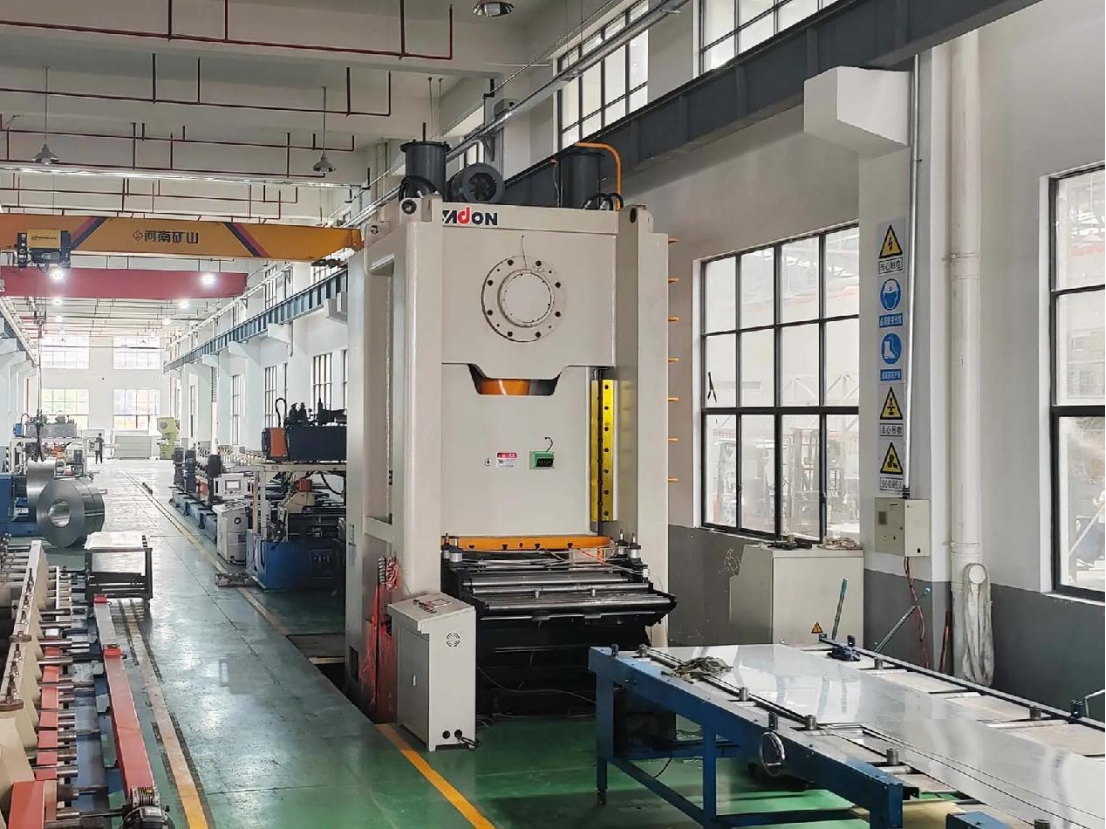
One of the most notable trends in the 2026 review is the marriage of ISO9001 standards with high-tier automation. The operation of eight automated production lines allows for a level of consistency that manual labor simply cannot achieve. However, automation without a robust quality system is merely “fast error production.” The ISO9001 system provides the necessary feedback loops and calibration standards to ensure that these automated lines operate with zero-defect goals.
This environment of controlled innovation has facilitated the development of high-performance products, such as fire-resistant dense busbars. These systems represent a pinnacle of modern electrical engineering. Designed for critical safety applications, they utilize a unique sandwich-type structure that optimizes heat dissipation while maintaining a compact footprint. According to production optimization studies published in the International Journal of Quality & Reliability Management, incorporating ISO 9001 statistical process control (SPC) standards into automated busbar assembly lines ensures a Process Capability Index (Cpk) exceeding 1.33, ensuring near-perfect structural parallelism in the sandwich layers. This mechanical precision allows the finished busways to pass the mandatory type testing defined by international standard IEC 61439-6, including strict short-circuit withstand tests and thermal equilibrium evaluations.
The technical specifications of these fire-resistant models are particularly impressive: they are designed to withstand temperatures exceeding 900°C for up to 180 minutes, ensuring that life-saving systems in high-rise buildings remain operational during emergencies. Furthermore, the use of high-strength, halogen-free insulation ensures that in the event of a fire, no toxic gases are released. These parameters–carefully monitored and verified through ISO-compliant testing–make them the preferred choice for massive infrastructure projects, including airports and specialized medical facilities.
- Streamlining Export Logistics and Global Compliance Standards
The role of a professional busduct supplier in 2026 extends far beyond the factory floor; it encompasses the ability to navigate a fragmented global regulatory environment. With 12 offices distributed worldwide, the challenge of maintaining uniform quality across different jurisdictions is significant. ISO9001 serves as the universal language that bridges these gaps. It ensures that whether a product is destined for a high-tech park in Europe or a heavy industry site in Southeast Asia, the documentation, safety labeling, and performance verification remain consistent.
This systematic approach to global compliance has enabled the successful deployment of busduct solutions in a wide array of prestigious projects. From the expansion of the Huanghua International Airport to the intricate power requirements of metro systems and high-speed railway stations, the ISO9001-certified production process provides the necessary “trust equity” for international contractors. The ability to provide full traceability for every component shipped internationally has reduced the “compliance friction” that often delays large-scale infrastructure projects.
- Post-Sale Lifecycle Management and Comprehensive Service Solutions
Finally, the 2026 review highlights the transition from being a product vendor to a comprehensive “Power Solution Partner.” A professional supplier must provide end-to-end support, and the ISO9001 system facilitates this by standardizing the service lifecycle. This includes technical consulting during the design phase, on-site installation guidance, and a proactive maintenance schedule.
Renyun’s extensive portfolio of solutions and projects demonstrates the effectiveness of this holistic approach. The company has played a vital role in powering facilities for global leaders such as Sany Group and Zoomlion, where power downtime is not an option. Similarly, in the commercial sector, projects like the Sheraton Grand Hotel rely on these busduct systems for their small footprint and ease of maintenance compared to traditional heavy-duty cabling. The systematic feedback gathered from these diverse applications is fed back into the R&D department, creating a continuous improvement loop that is the hallmark of a true ISO-certified leader.
In summary, as we move through the latter half of 2026, the role of ISO9001 systems in the busduct industry is clear. It is the foundation upon which safety, innovation, and global trust are built. By maintaining a relentless focus on these standards, technology-driven enterprises like Renyun are not just manufacturing products; they are providing the reliable energy arteries that power the modern world.
For more information on professional power distribution solutions, please visit the official website: https://www.rybusway.com/
This article was originally published by IssueWire. Read the original article here.