
Manufacturing Excellence at JXKELLEY, A China Leading Ceramic Alumina Ball Factory
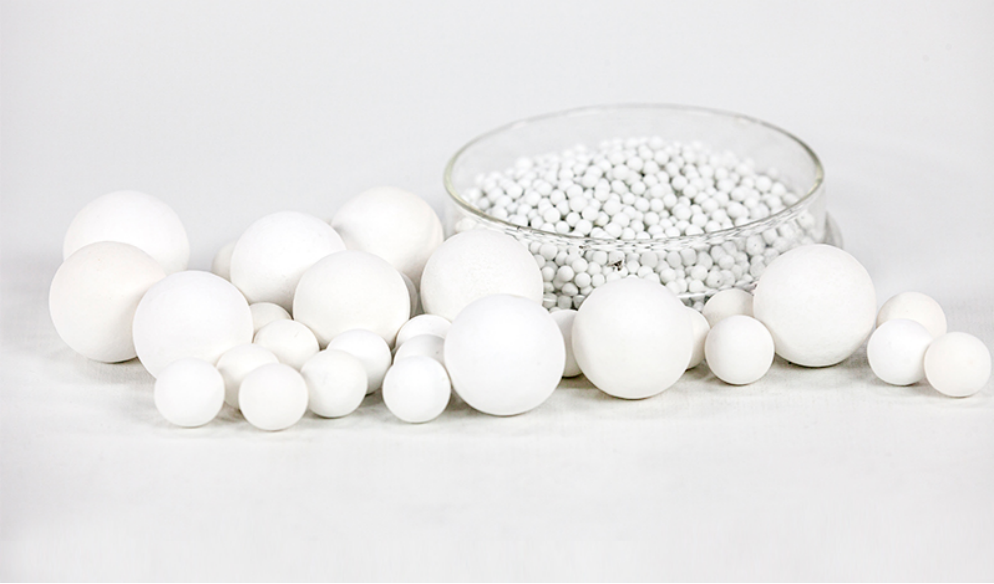
(ProNewsReport Editorial):- Pingxiang, Jiangxi Jun 3, 2026 (Issuewire.com) – How does a chemical reactor maintain its internal structural integrity when subjected to relentless pressure and corrosive fluids for years on end? What prevents the delicate catalysts inside a multi-ton vessel from being crushed under their own weight or washed away by high-velocity gas streams? In the industrial world, the answer lies not in the visible exterior of the plant, but in the silent performance of the inert support media resting at the bottom of the towers.
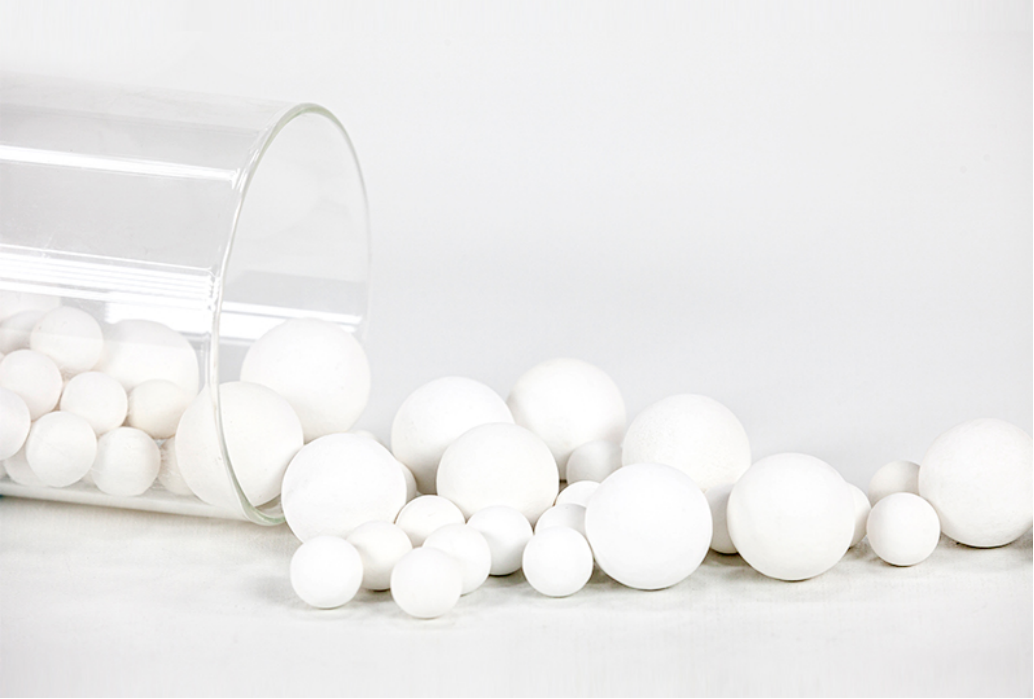
As a China Leading Ceramic Alumina Ball Factory, JXKELLEY has spent over a decade perfecting the science behind these essential components. Often referred to as the “support skeleton” of the reactor, the ceramic alumina ball acts as a physical barrier and distribution layer, ensuring that petrochemical, fertilizer, and environmental protection processes remain stable even under the most punishing conditions.
The Essence of Manufacturing Excellence: Ensuring Zero-Failure Under Extreme Conditions
In modern industrial processing, particularly within hydrogenation and catalytic cracking units, the operating environment is characterized by extreme high pressures and temperatures. Unlike general chemical packings used for simple mass transfer, ceramic alumina balls must provide a “zero-failure” guarantee. If a support ball fails, it doesn’t just stop working; it can pulverize into dust, leading to bed pressure drops, catalyst contamination, and eventually, an unscheduled plant shutdown.
JXKELLEY views manufacturing excellence as the ability to produce a media that maintains its structural shape without powdering or collapsing. Since its establishment in 2009, JXKELLEY has evolved into a modern science and technology enterprise that integrates research, design, and manufacturing. By injecting capital into a new technology-based 5G intelligent manufacturing plant in 2020, the company has bridged the gap between traditional material science and precision digital control. This ensures that every ceramic alumina ball delivered to a job site–whether in Spain, Germany, or Saudi Arabia–possesses the requisite mechanical strength to survive the thermal shocks common in heavy industrial cycles.
Operating Conditions and Precise Matching of Alumina Content
The selection of a ceramic alumina ball is rarely a “one-size-fits-all” decision. Industrial engineers must balance chemical resistance with mechanical load requirements. Following the HG/T3683.1 standard, JXKELLEY provides a matrix of products ranging from 92% to 99% alumina content. The core of this selection process involves matching the compressive strength of the ball to the operating pressure and the height of the catalyst bed.
For instance, in large-scale reactors where the bed height is significant, the balls at the bottom must support immense weight. A standard 25mm ceramic alumina ball produced by JXKELLEY is engineered to achieve a compressive strength of at least 4 kN per ball. If the strength is insufficient, the resulting bed collapse can obstruct flow and cause uneven temperature distribution. Furthermore, in environments such as chlor-alkali or fertilizer production, chemical inertness is paramount. High alumina content varieties (95% or higher) offer an alkali resistance of over 95%, making them virtually immune to the corrosive “leaching” effect that can degrade lower-quality ceramic materials over time.
Technological Core: 5G Smart Factories and Isostatic Pressing
The reliability of a ceramic alumina ball is determined long before it enters a kiln. At the JXKELLEY 5G intelligent facility, the focus is on achieving uniform density through advanced forming techniques. While traditional wet-bag methods are still used in some parts of the industry, JXKELLEY utilizes dry-method isostatic pressing for its high-performance lines. This process applies equal pressure from all directions to the raw material, creating a green body with exceptional density and no seams or weak points.
By eliminating density gradients within the ball, the risk of “high-temperature bursting”–where trapped air or moisture causes the ball to crack during rapid heating–is significantly reduced. This physical consistency is then locked in by the 5G-enabled smart kilns. These furnaces maintain a precise temperature range of 1600 to 1700 degrees Celsius, allowing for optimal phase transformation of the alumina. The result is a product with superior thermal shock resistance, capable of withstanding sudden temperature shifts of over 800 degrees Celsius without losing its crystalline stability.
Quality Anchors: Low Water Absorption and Zero-Contamination
Beyond physical strength, the chemical purity of the ceramic alumina ball is a critical factor for sensitive processes. High-density manufacturing at JXKELLEY results in a water absorption rate of 1.5% or less. This low porosity ensures that the balls do not absorb water or steam, which could otherwise lead to internal expansion and cracking. It also prevents the media from “carrying over” chemicals from one process cycle to another, maintaining the chemical inertness required for high-purity applications.
In fine chemical and electronic-grade sectors, even trace amounts of metallic impurities can ruin a product batch. JXKELLEY addresses this through the use of high-purity raw materials and automated production lines that minimize human contact and cross-contamination. By controlling the elution of iron ions and other impurities, JXKELLEY ensures that the ceramic alumina ball remains a neutral bystander in the reaction, providing support without interfering with the delicate chemistry of the catalysts it holds.
Reducing the Risk of Unplanned Plant Shutdowns
The true measure of manufacturing excellence at a ceramic alumina ball factory is the longevity of the customer’s equipment. When a facility chooses a support media that meets ASTM or DIN standards, they are investing in the long-term stability of their operation. A failure in a desulfurization tower or a hydrogenation reactor due to poor-quality packing can cost a company millions in lost production and maintenance labor.
JXKELLEY’s approach combines precise strength grading, the consistency of isostatic pressing, and the stability of high-temperature sintering. With ISO certifications, the company demonstrates a commitment to a quality assurance system that covers the entire lifecycle of the product. By providing reliable ceramic alumina ball solutions to more than 80 countries, JXKELLEY helps industrial operators achieve “long-cycle, zero-fault” performance. In an era where efficiency and reliability are the benchmarks of success, having a trusted partner in the supply chain is the most effective way to lower total lifecycle costs and ensure that the “support skeleton” of the industry remains strong.
For more information on high-performance chemical packing and ceramic media, visit https://www.kelleychempacking.com/.
Media Contact
Jiangxi Kelley Chemical Packing Co., Ltd.
Floor 4, Block 9, ChunLei Building, Anyuan area, Pingxiang city, Jiangxi, China, 337000
This article was originally published by IssueWire. Read the original article here.


